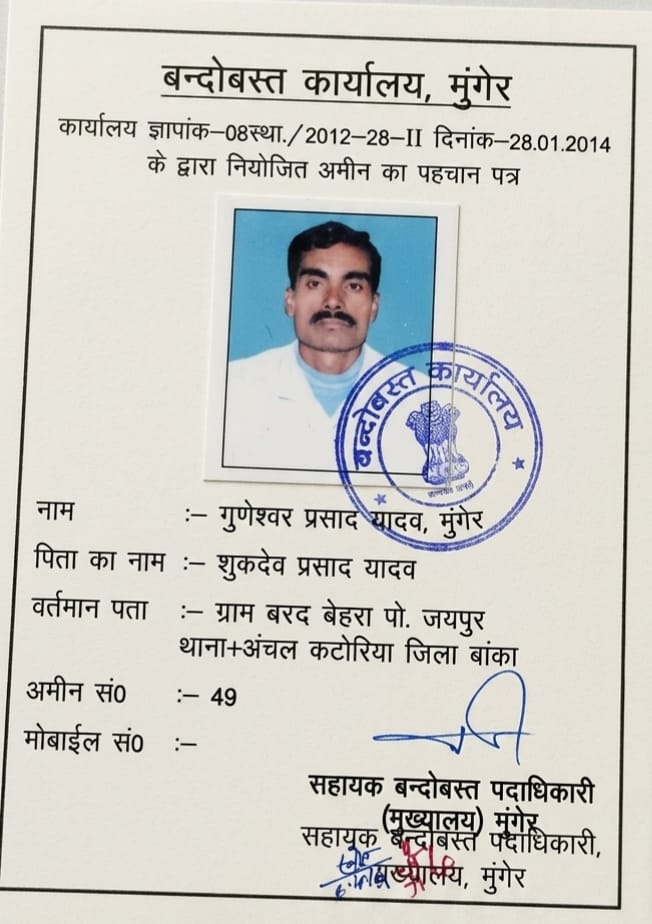
Government portals display raw digitized records; our Senior Settlement Amin helps you uncover the legal and physical meaning behind them. We audit ancestral Khatiyans, online Register-II Jamabandis, and 30-year Kewala chains.
Distinguishing CS (1902–1920) and RS (1965–1985) entries to verify whether the seller’s ancestors were true recorded raiyats or non-alienable tenure holders.
Checking Bihar Bhumi and JharBhoomi for active mutation case numbers, matching Khata/Khesra/Rakba, and confirming no zero-rakba discrepancies.
Auditing intermediate registered deeds, succession orders, and family settlements to confirm an unbroken line of ownership without omitted co-heirs.
You should provide: Copy of the sale deed (Kewala), latest land tax receipt (Lagan rasid), Register-II Jamabandi page/number, Khatiyan extract (CS/RS), and family genealogy tree (Vanshavali) if ancestral property.
This is one of the most common land pitfalls in Bihar and Jharkhand. A sale deed without completed mutation (Dakhil-Kharij) means the government revenue register does not recognize the seller. The buyer will face rejection when attempting mutation. We audit the deed-to-jamabandi chain to ensure legality.
Yes. You can upload or WhatsApp clear PDF or photo scans of the documents. Our Senior Amin examines the records against official revenue databases and returns a detailed advisory report within 24 hours.